Give your time where it counts
Community-defined volunteering in Jinja, Iganga and Buikwe — individual, group or global service trip — with local supervision, cultural immersion and guided reflection.
Slide 1 of 2
Community-led volunteering, done ethically
FOSCOD's Volunteer Program is part of the Global Learning Exchange Program (GLE) — our community-engaged learning program that designs and facilitates volunteering, internships, research, service learning and study tours in collaboration with local communities and partner organizations in Uganda.
As a volunteer you contribute to priorities that communities have identified themselves — clean energy and climate resilience, water, sanitation & community health, and sustainable livelihoods — working under local supervision, with orientation, guided reflection and genuine cultural exchange.
FOSCOD's program is training in doing ethical, sustainable community-based development — not simply an organization inviting students to help with its work. Volunteers learn alongside community members, and communities gain useful, respectful support that continues beyond any single placement.
Browse volunteer placementsChoose how you take part
Volunteering runs as individual, group or global service trip formats — hosted by FOSCOD's Community Empowerment and Development Program (CEDP) and local partner organizations, with shared development sectors across both.
IndividualsIndividual volunteering
A structured placement for students, graduates, professionals and volunteers seeking hands-on experience in community-based development.
Read more +Show less −
Individual volunteering
A structured placement for students, graduates, professionals and volunteers seeking hands-on experience in community-based development.
You engage in locally defined projects or community work with FOSCOD's CEDP or a partner organization — supported by orientation, a named supervisory arrangement and guided reflection. Placements are matched to your interests, skills and the community's own priorities, so the contribution you make is real, not manufactured.
Groups & cohortsGroup volunteering
Participants from the same university, institution or organization work together with a host community on a shared project.
Read more +Show less −
Group volunteering
Participants from the same university, institution or organization work together with a host community on a shared project.
Group placements promote teamwork, experiential learning and collective contribution to locally identified priorities. For larger cohorts we can also coordinate placements across several partner organizations — matched to each member's interests and skills, with shared learning activities and reflection.
Short term · 1–4 weeksGlobal service trip
A short-term program integrating meaningful community engagement with structured learning, reflection and cultural immersion.
Read more +Show less −
Global service trip
A short-term program integrating meaningful community engagement with structured learning, reflection and cultural immersion.
Designed for student and professional groups, a service-learning trip combines educational objectives with a community-defined priority — so even a short visit contributes to a plan the community already owns, and every participant comes home with grounded, practical insight into development work.
Virtual participation is available for suitable individual and group placements — contributing remotely to supervised projects and research. Service-learning trips and study tours are primarily in-person programs.
Made for people who want to contribute properly
There is no single 'volunteer profile'. What matters is your willingness to learn with communities and work within agreed roles.
- University students seeking hands-on service experience and complementary field learning.
- Recent graduates building practical experience and career direction.
- Professionals and career changers contributing skills in a new context.
- Groups — student cohorts, community and faith organizations, families.
- Anyone open to ethical community-based development: role requirements vary by placement and are confirmed in writing before you commit.
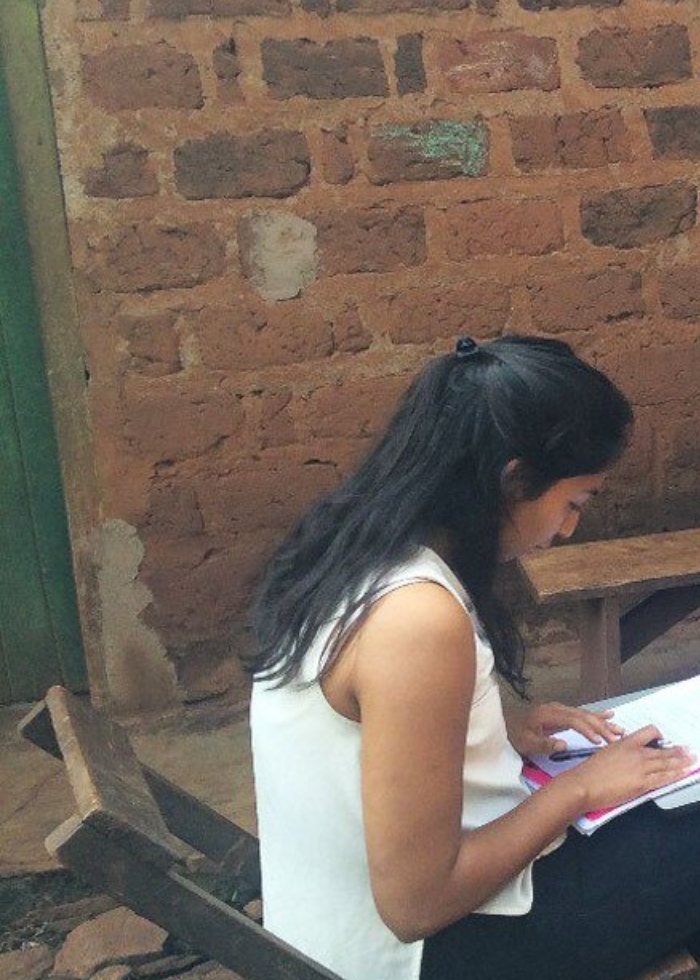
Volunteer openings are published as they are confirmed
Openings appear in the opportunities directory once verified with hosts. Meanwhile, browse the directory or contact us — we match interests to community priorities as placements open.
Change that communities own
27 in-person interns, 11 virtual interns, and 4 volunteers; 2019–2024
Share of completed projects continuing to benefit communities independently; verified track record, 2019–2024
FOSCOD verified track record, 2022–2024
Start dates
Placements are scheduled individually — matched to community priorities, partner availability and your availability. Confirmed intake windows will appear here once scheduled; timing, support and costs are always confirmed in writing before placement.
Flexible timeframes, matched to the work
Placements are scheduled individually. Typical volunteer windows run from a few weeks to several months; service-learning trips run one to four weeks and study tours at least eight days. Each opportunity listing states its duration, and we match timing to community priorities, partner availability and your own availability.
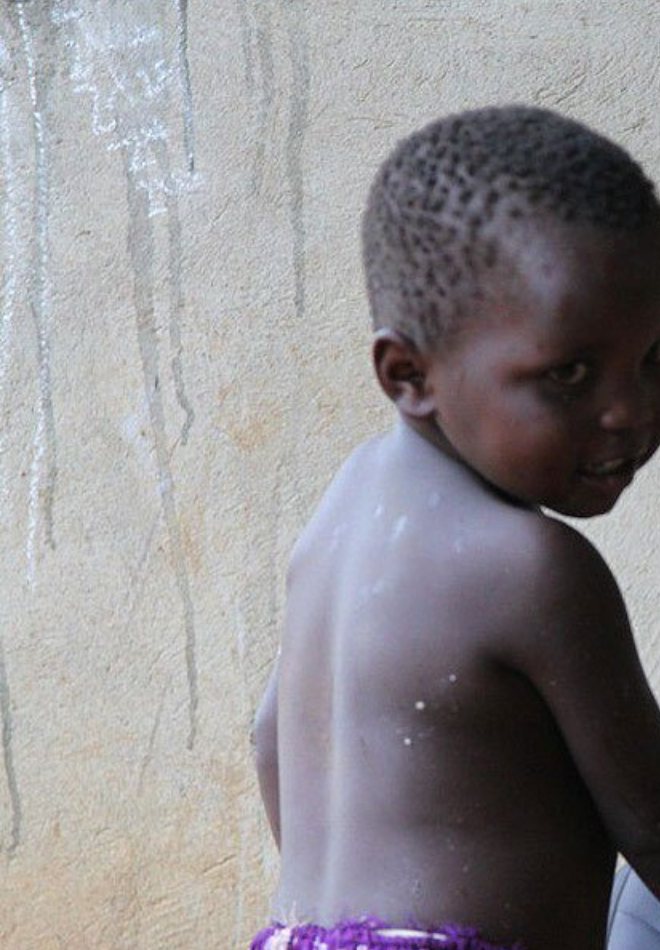
Transparent fees, clearly scoped
Volunteer fees cover placement coordination, supervision, orientation, accommodation arrangement and local support. What is included for your specific intake is confirmed in writing before you make any payment — explore the fee structure to see how your contribution supports both your placement and community work.
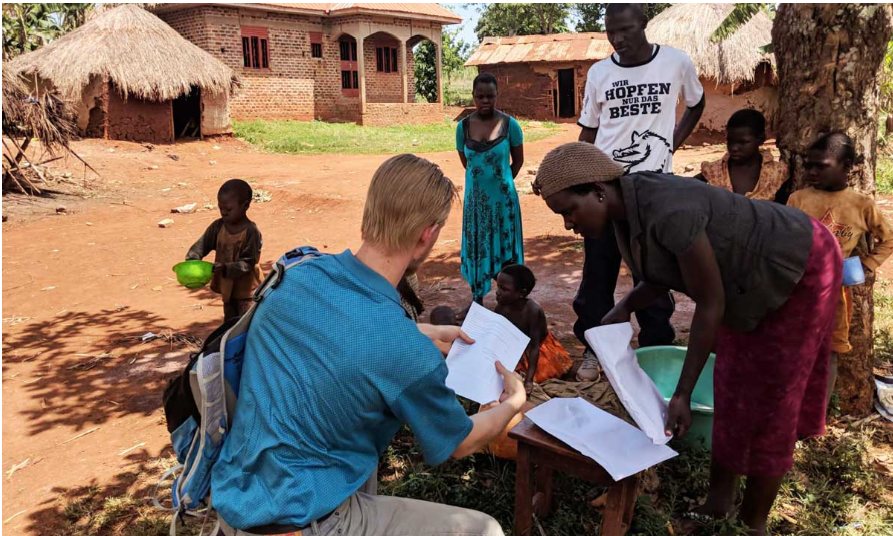
From application to placement, step by step
FOSCOD works collaboratively with you, your institution, communities and partner organizations to develop a meaningful and mutually beneficial experience.
- 01
Apply & share your interests
Submit the application form with your background, skills, thematic interests and preferred program type. Applying starts a conversation — it is not a commitment.
- 02
Application review
The FOSCOD team reviews your application against community priorities, partner availability and supervision capacity, and responds with feedback on program fit.
- 03
Interview & placement planning
We schedule an interview to clarify goals and aspirations, then agree activities, responsibilities, supervision, expected outputs and ethical requirements with the host community or organization.
- 04
Confirmation & pre-arrival
Your placement, timing, support and costs are confirmed in writing before you pay — with pre-arrival preparation and orientation materials to get you ready.
- 05
Supported engagement & learning
On the ground: orientation, mentorship, practical guidance, monitoring and guided reflection. At the end, outcomes are reviewed with community partners and your work is handed over so it continues after you leave.
Submitting an application starts a matching process — it does not guarantee acceptance or a particular host organization.
In their own words
Published stories from GLE volunteers. Each has a named participant and confirmed permission.
“I came thinking I was there to 'help'. Six months later I realised I was there to learn — from community engineers who'd never seen a textbook but could tell you exactly why a borehole fails. That humility is the real takeaway.”
Diego R.Alumni · WASH volunteer · GLE 2022 “My six-month placement on the youth mentorship pairings taught me that effective development is built on relationships, not deliverables. The handover session I co-led is still running — that continuity is what makes the work ethical.”
Zara A.Alumni · Program coordination volunteer · GLE 2022
Volunteer with FOSCOD
Join a supervised, ethical volunteering placement in Uganda — matched to a community-defined priority, with local support from day one. Submitting an application starts a matching process and does not guarantee acceptance or a particular host.
Questions volunteers ask
Who defines the work?
FOSCOD develops volunteer roles from priorities identified with communities and local partners. Your interests help with matching — they don't replace the community-defined purpose of the work.
Do I need previous experience?
Requirements depend on the role. Observation and learning activities may be suitable for beginners; technical, health-related or direct community work requires relevant preparation and closer review. Role requirements are always confirmed before placement.
How long can I volunteer for?
Placements are scheduled individually — typical windows run from a few weeks to several months, and service-learning trips run one to four weeks. Each opportunity listing states its duration.
Can my family or group volunteer together?
Yes. Group placements can work a shared project with one host, or be coordinated across several partner organizations according to each member's interests. Contact us to discuss a group.
What support is included?
The current program brief confirms the supervisory arrangement, orientation, accommodation arrangement, local transport, emergency contact and other support for that specific intake. Services are not assumed until confirmed in writing.
Is virtual volunteering possible?
Yes — suitable individual and group placements can be arranged remotely, contributing to supervised projects and research without travelling to Uganda.
Does applying guarantee a placement?
No. Submitting an application starts a matching process that considers community priorities, partner availability and program requirements — it does not guarantee acceptance or a particular host organization.